Gardening is a rewarding activity that allows individuals to connect with nature while providing fresh produce and beautiful landscapes. However, traditional gardening practices can sometimes harm the environment. By adopting eco-friendly methods, you can create a sustainable garden that promotes biodiversity, conserves resources, and supports local ecosystems. This article will explore practical tips and strategies for establishing a sustainable garden that reflects your values and care for the planet. Understanding Sustainability in Gardening Sustainability in gardening means creating a garden that is self-sufficient and minimizes its impact on the environment. This approach considers the long-term health of the soil, plants, and surrounding ecosystems. By focusing on natural processes, such as composting and crop rotation, gardeners can enhance their gardens’ productivity while reducing the need for synthetic chemicals and resources. Choosing Native Plants One of the most effective ways to create a sustainable garden is by incorporating native plants. Native plants are those that naturally grow in your region and are adapted to the local climate and soil conditions. They require less water and maintenance than non-native species, making them an excellent choice for eco-friendly gardening. Native plants also provide essential habitat and food for local wildlife, including pollinators, birds, and beneficial insects. By planting a diverse array of native species, you can create a thriving ecosystem that supports local biodiversity. Examples include coneflowers, black-eyed Susans, and various grasses that attract bees and butterflies while offering resilience against pests and diseases. Implementing Organic Gardening Practices Transitioning to organic gardening practices is another essential step in creating a sustainable garden. Organic gardening avoids the use of synthetic pesticides and fertilizers, focusing instead on natural methods to promote plant health. This can involve techniques like companion planting, where certain plants are grown together to deter pests and enhance growth. For instance, planting marigolds alongside vegetables can help repel aphids and other harmful insects. Additionally, using natural fertilizers, such as compost, manure, or worm castings, enriches the soil without introducing harmful chemicals. These practices not only improve plant health but also contribute to the overall health of the soil ecosystem. Water Conservation Techniques Water conservation is a critical component of sustainable gardening. Implementing efficient irrigation methods can significantly reduce water usage while ensuring that plants receive adequate moisture. Drip irrigation systems are an excellent choice, delivering water directly to the roots and minimizing evaporation and runoff. Mulching is another effective technique for conserving moisture in the soil. A layer of organic mulch, such as straw or wood chips, helps retain soil moisture, suppresses weeds, and improves soil quality as it decomposes. Additionally, consider collecting rainwater in barrels to irrigate your garden. Rainwater is often free of the chemicals found in tap water and is a great resource for maintaining a sustainable garden. Encouraging Biodiversity Promoting biodiversity in your garden is essential for creating a healthy and resilient ecosystem. A diverse garden attracts various species of beneficial insects, birds, and other wildlife, which can help control pests and pollinate plants. Incorporating a mix of flowers, vegetables, and herbs creates a balanced ecosystem that supports both plant and animal life. Additionally, consider creating different habitats within your garden. Features like ponds, wildflower patches, and brush piles provide shelter and food for wildlife. Native plants are particularly beneficial, as they offer resources that local species have adapted to rely on. Creating a diverse habitat will help foster a thriving community of organisms that contribute to the garden’s overall health. Soil Health and Composting Healthy soil is the foundation of a sustainable garden. Building and maintaining soil health should be a primary goal for every gardener. Composting is one of the best ways to enrich the soil while reducing waste. Composting kitchen scraps, yard waste, and other organic materials creates nutrient-rich compost that can improve soil structure and fertility. Regularly adding organic matter to the soil, such as compost or well-rotted manure, enhances its nutrient content and promotes beneficial microbial activity. Healthy soil is more resilient to pests and diseases and retains moisture more effectively, reducing the need for irrigation. By focusing on soil health, you create a strong foundation for your plants to thrive. Seasonal Planting and Crop Rotation Practicing seasonal planting and crop rotation can greatly benefit a sustainable garden. Seasonal planting involves choosing the right plants for specific times of the year, ensuring that your garden remains productive and vibrant. For example, cool-season crops like spinach and kale can be planted in early spring or fall, while warm-season crops like tomatoes and peppers thrive in the summer. Crop rotation involves changing the location of specific plant families in your garden each season. This practice helps prevent soil depletion, reduces the buildup of pests and diseases, and promotes healthier plants. By rotating crops, you ensure that nutrients are utilized more effectively and maintain a balanced soil ecosystem. Reducing Lawn Area Traditional lawns often require significant resources, including water, fertilizers, and mowing. Reducing the area dedicated to lawns can contribute to a more sustainable garden. Consider replacing portions of your lawn with native plant gardens, flower beds, or vegetable patches. These areas not only require less maintenance but also support local wildlife and enhance biodiversity. If you still want to maintain a lawn, consider using eco-friendly practices, such as mowing less frequently, using electric or manual mowers, and avoiding chemical treatments. Allowing clover to grow in your lawn can also improve soil health and attract beneficial insects, reducing the need for synthetic fertilizers. Community Involvement and Education Engaging with your community can amplify your efforts in creating a sustainable garden. Participating in local gardening clubs, workshops, and educational events can help share knowledge and resources among like-minded individuals. Community gardens can also be a fantastic way to promote sustainable practices, as they often focus on organic methods and biodiversity. Educating others about sustainable gardening can inspire more people to adopt eco-friendly practices. Sharing your experiences, successes, and challenges with friends and neighbors can create a ripple effect that promotes a culture of sustainability in your community. Conclusion: A Greener Future Establishing a sustainable garden is a fulfilling journey that benefits both you and the environment. By choosing native plants, implementing organic practices, conserving water, and promoting biodiversity, you create a thriving ecosystem that supports local wildlife and enhances your garden’s beauty. Remember that sustainability is an ongoing process, and every small step counts. By making conscious choices and sharing your knowledge, you can contribute to a greener future for your community and the planet.
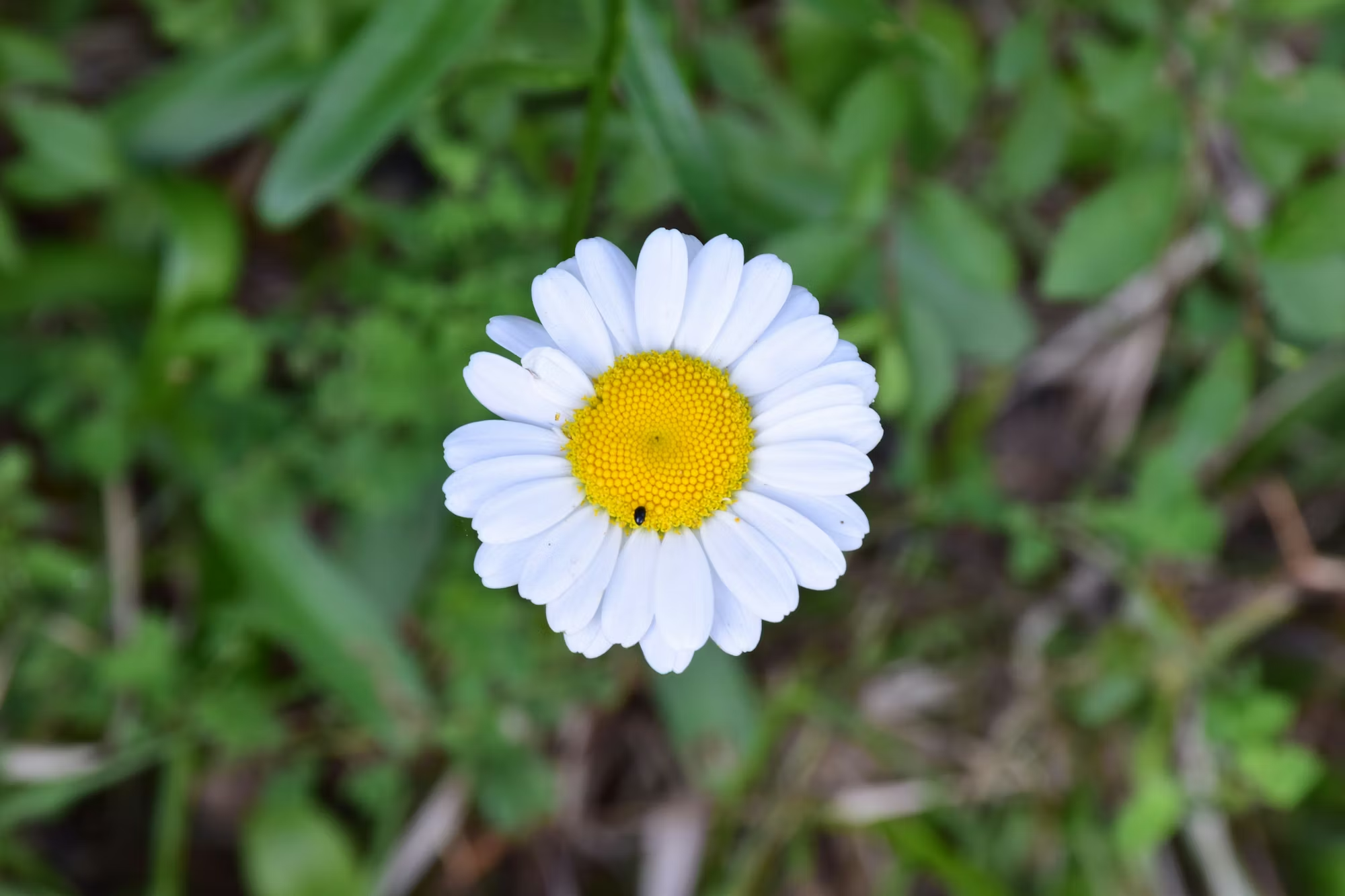
Creating a Sustainable Garden: Tips for Eco-Friendly Practices
Categories:
Related Post

Exploring the World of Coffee: From Bean to BrewExploring the World of Coffee: From Bean to Brew
This article takes readers on a journey through the history, cultivation, and preparation of coffee,

Exploring the World of Niche Perfumes: A Journey into Unique Fragrance CreationsExploring the World of Niche Perfumes: A Journey into Unique Fragrance Creations
This article delves into the captivating realm of niche perfumes, highlighting their artistry, disti

Elevate Your Style: Hair Trends to Try in 2024Elevate Your Style: Hair Trends to Try in 2024
Discover the latest hair trends for women, featuring popular cuts, colors, and styling tips to refre